
Blog
Dolby Atmos vs. Dolby Surround: How They Differ and What It Means for Your Home Theater

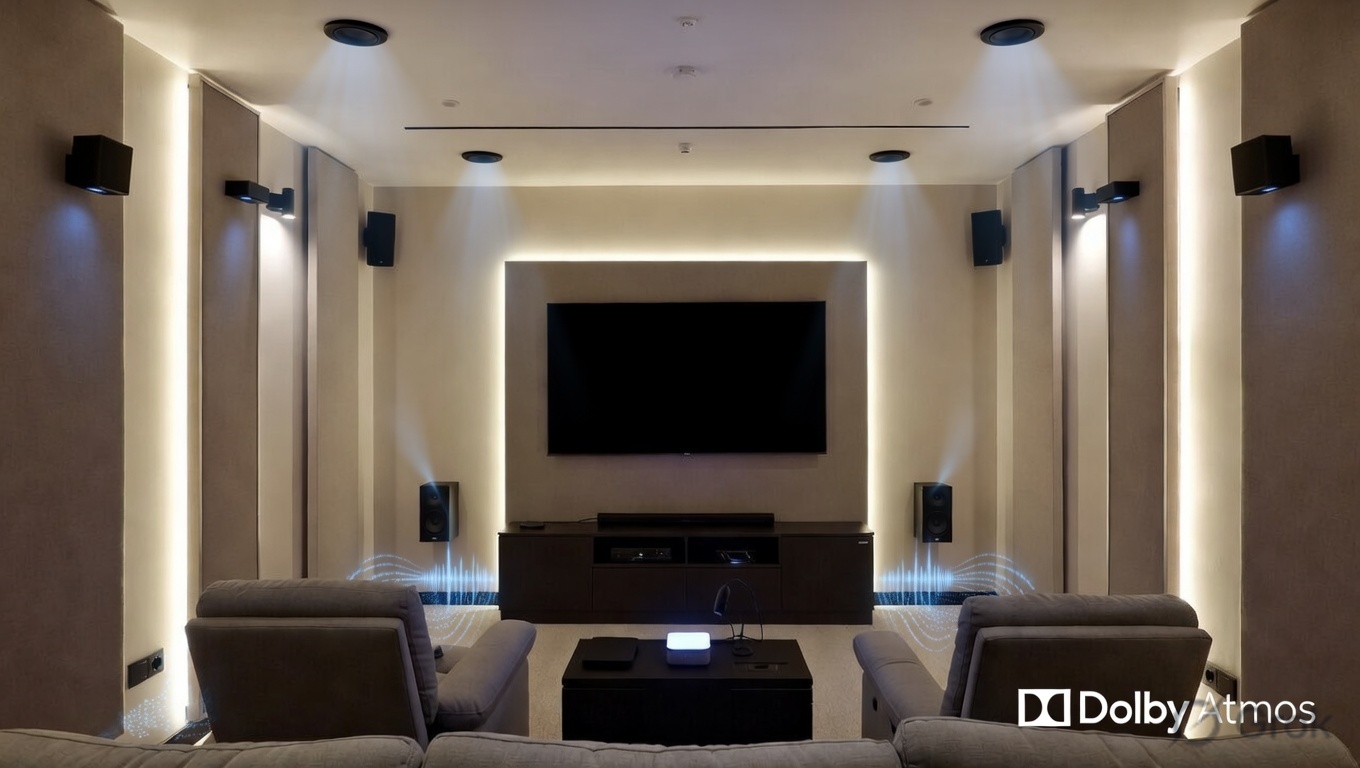
What You Hear Matters
Choosing the right audio format can dramatically reshape your home entertainment experience. Whether you’re watching action movies, gaming, or listening to music, understanding the difference between Dolby Atmos and Dolby Surround helps you decide what’s best for your setup and budget.
Here’s a simple breakdown of how these audio technologies stack up and why the difference really affects what you hear.
Classic Surround: Dolby Surround Basics
Traditional surround sound formats like Dolby Surround (including 5.1 and 7.1 setups) distribute sound across fixed channels around the listener. That means you usually have:
-
Left, Right, Centre speakers
-
Rear or side surround speakers
-
A subwoofer for low frequencies
Audio is channel-based — each speaker gets a specific track and plays the sounds allocated to it. This method creates a horizontal soundstage that envelopes you from left to right, but stays largely within a flat plane around ear level.
Great for:
✔ Classic movie watching
✔ Standard gaming
✔ Music playback with basic surround effects
Dolby Atmos: A Leap into 3D Sound
Dolby Atmos takes surround sound to the next level by introducing object-based audio instead of relying solely on pre-assigned channels. In simpler terms:
-
Sounds are treated as individual objects with position metadata
-
Audio can come from any direction, including above you
-
Atmos adapts to your speaker configuration, whether it’s soundbars or a full ceiling speaker setup
This creates a three-dimensional audio environment where effects like helicopters, rain, or ambient sounds feel truly immersive — as if they’re happening around and above you, not just to the sides.
For example, a setup labeled “7.1.4” means:
-
7 main speakers
-
1 subwoofer
-
4 height channels for overhead effects
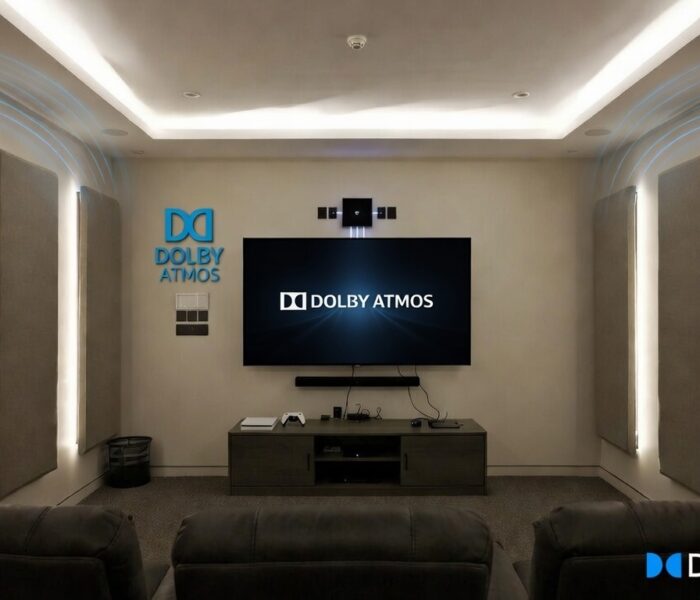
🎬 Why It Matters for Your AV Experience
1. Greater Immersion
Dolby Atmos gives sound a vertical dimension. Instead of audio staying at ear level, effects can come from above — which adds depth and realism to movies and games.
2. Adaptable to Different Setups
Even if you don’t have ceiling speakers, many Atmos systems (especially soundbars with upward-firing drivers) can simulate height effects, making the format flexible for different room layouts.
3. Better Spatial Precision
Traditional surround sends sounds to specific speakers. Atmos can place sounds with pinpoint accuracy anywhere in the room, enhancing realism and directional audio cues.
📊 Practical Considerations Before You Choose
Before upgrading to Atmos, consider:
-
Content Support: Many streaming platforms now offer Atmos tracks (e.g., Netflix, Disney+, Apple TV+), but not every movie or show includes it.
-
Hardware Requirements: True Dolby Atmos requires compatible AV receivers or soundbars, plus a speaker setup capable of height channels.
-
Budget vs Experience: Standard surround still delivers good audio and is more affordable. Atmos brings premium immersion but may cost more.